
Top Tips When Buying Investment Property in Rochester
Key Takeaways
- Research Rochester neighborhoods, rental demand, and property values before choosing an investment property.
- Review expected rental income alongside mortgage costs, taxes, insurance, maintenance, vacancy, and management expenses.
- Look for properties that fit your investment goals while considering location, condition, rental appeal, and long-term costs.
- Working with a local property management company can help with leasing, maintenance, tenant communication, and the ongoing needs of rental ownership.
Are you looking to invest in Rochester, NY real estate?
Rochester offers investors a range of rental property opportunities, from established single-family homes to multi-unit properties and condos. The city also benefits from major universities, healthcare systems, technology, and other local industries that support housing demand.
The Rochester market can offer different opportunities depending on the neighborhood, property type, and rental strategy you choose. Before making an offer, it is important to look beyond the purchase price and understand the property's potential income, operating costs, condition, and location.
Current market data shows that Rochester rental conditions vary by property and neighborhood, making property-level research especially important.
In this article, Retain Each will cover practical tips to help you evaluate a Rochester investment property and build a rental strategy that fits your goals.
What Is the Rochester Real Estate Market Like?
Rochester has a mix of urban neighborhoods, established suburbs, and communities throughout the greater Rochester area.
The city is home to major institutions such as the University of Rochester and Rochester Institute of Technology, while healthcare, education, technology, and other industries contribute to the regional economy.
The rental market also varies widely from one neighborhood to another. A property near a university, medical center, downtown, or major transportation route may attract a different renter pool than a home in a quieter suburban community.
For investors, this means there is no single formula for every Rochester property. Your purchase should be based on the specific neighborhood, property condition, expected expenses, and rental demand.
Top Tips for Real Estate Investments in Rochester
#1: Set a Realistic Investment Budget
Before searching for properties, determine how much you can comfortably invest. Your budget should account for more than the purchase price and down payment.

Consider financing, property taxes, insurance, utilities, maintenance, repairs, vacancy, management costs, and potential capital improvements. Older Rochester properties may also require additional attention to major systems, depending on their age and condition.
A useful first step is to create a complete estimate of your expected monthly and annual expenses. This can help you compare properties using the same assumptions.
#2: Research the Neighborhood Before You Buy
Location plays a major role in rental property performance. Research the neighborhood, nearby amenities, transportation options, employment centers, schools, shopping, parks, and other features that may affect rental demand.
Rochester has many distinct areas/neighborhoods, and their rental markets can differ.
You should also compare similar rental homes in the area. Look at property size, condition, features, and current competition rather than relying on a citywide rental estimate.
#3: Compare Current Rental Income With Total Expenses
A property can appear affordable while still producing a different financial result once all operating expenses are included.
Start with a realistic rental estimate based on comparable properties. Then account for taxes, insurance, maintenance, vacancy, utilities paid by the owner, financing, and management.
Avoid building your plan around the highest possible rent. Zillow's current Rochester data shows that rental prices vary by property type and market area, so a property-level comparison is more useful than a broad city average.
#4: Inspect the Property Carefully
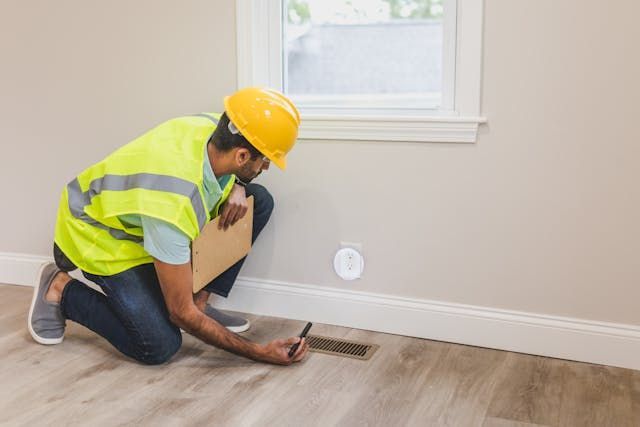
A thorough property inspection can help you understand what you are buying before closing.
Pay close attention to the roof, foundation, plumbing, electrical systems, heating equipment, windows, insulation, and other major components. Rochester's seasonal weather also makes proper heating and winter maintenance important considerations.
If the property is older, ask questions about previous repairs and improvements. Review available records and consider whether upcoming maintenance could affect your investment plan.
The goal is not simply to find a property that looks attractive. It is to understand the property's current condition and plan for its future maintenance needs.
#5: Understand New York Rental Requirements
New York rental laws should be part of your investment planning from the beginning. Security deposits, lease requirements, property conditions, notices, and other landlord responsibilities can affect how you operate a rental.
For example, New York generally limits security deposits to no more than one month's rent and requires landlords to follow specific rules for handling those deposits. Additional requirements can apply depending on the property.
#6: Choose a Rental Strategy Before Closing
Decide how you plan to operate the property before purchasing it. Long-term rentals may fit investors looking for a traditional leasing model, while other properties may have different opportunities depending on local rules and market demand.
Your strategy should also match the property. A smaller property near a major employment center may appeal to a different renter group than a larger home in a suburban neighborhood.
Review any HOA or condominium rules before buying. Restrictions on leasing, minimum lease terms, or other association requirements may affect how you can use the property.
#7: Consider Professional Property Management
Managing a rental property involves more than collecting rent. Owners may need to coordinate leasing, maintenance, inspections, tenant communication, financial records, and other ongoing responsibilities.

Professional management can be useful for investors who live outside Rochester, own multiple properties, or prefer to spend less time handling daily operations.
A local manager can also provide insight into rental pricing, neighborhood conditions, maintenance needs, and the practical side of operating a Rochester rental.
In a Nutshell: Buying Investment Property in Rochester
Buying a Rochester rental property starts with choosing the right property and understanding how it fits the local market.
Research the neighborhood, estimate realistic rental income, review every major expense, inspect the property, and understand New York rental requirements before closing.
Investors should also decide on a rental strategy and management plan before purchasing.
If you are evaluating a Rochester rental, Retain Each can provide local support to help you better understand the property and its ongoing management needs.
Frequently Asked Questions
Is Rochester A Good Market For Rental Property Investors?
Rochester offers several factors that may interest rental property investors, including established neighborhoods, universities, healthcare institutions, and a diverse regional economy.
However, the right investment depends on the specific property and neighborhood. Investors should compare expected rental income with financing, taxes, insurance, maintenance, vacancy, and management expenses.
Current rental data can provide useful context, but a property-level analysis is more helpful when deciding whether a particular purchase fits your goals.
How Do I Estimate Rent For A Rochester Investment Property?
Start by comparing similar rental properties in the same neighborhood. Consider the home's size, condition, number of bedrooms, amenities, parking, and location.
Current listings can show asking rents, but they do not always show what a property ultimately leases for. A local rental analysis can provide additional context and help you build a more realistic financial projection.
Zillow's Rochester rental data can be useful for reviewing broader market trends, but investors should avoid using a single citywide figure to price an individual property.
What Should I Check During Due Diligence On A Rochester Rental?
Review the property's physical condition, financial records, taxes, insurance, utility responsibilities, and any available repair history.
Pay close attention to major systems such as heating, plumbing, electrical, roofing, and the foundation. If the property is part of an HOA or condominium association, review its documents and leasing rules as well.
You should also confirm that your planned rental strategy is permitted. A qualified inspector, real estate professional, and other appropriate advisors can help you review the property before closing.
What New York Rental Laws Should Rochester Investors Know?
Rochester investors should understand New York rules covering security deposits, lease terms, property conditions, notices, and landlord responsibilities.
New York generally limits security deposits to one month's rent, with specific rules for holding and returning those funds. Local requirements may also apply depending on the property and municipality.
Because rental laws can change and individual situations vary, investors should review current information from the New York Attorney General and consult a qualified attorney when legal guidance is needed.
Should I Buy A Single-Family Or Multi-Unit Property In Rochester?
Both property types can offer opportunities, but they require different approaches.
A single-family rental may provide a straightforward ownership structure, while a multi-unit property can spread rental income across multiple units. Multi-unit properties may also involve more systems, maintenance, and operating responsibilities.
Compare the property's expected income, expenses, condition, financing, and management needs rather than choosing based only on the number of units. The best fit depends on your investment goals and ability to manage the property.