

A Guide to the Eviction Process in New York
Key Takeaways
- Keep the lease, rent ledger, notices, service records, and maintenance documentation organized before an eviction issue develops.
- Identify the correct legal notice and service requirements for the specific reason for seeking possession before filing a case.
- Never use lockouts, utility shutoffs, or other self-help measures to remove an established occupant from a New York rental.
- If your Rochester-area property enters the eviction process, work with qualified legal counsel and follow the court process rather than relying on assumptions about timing or procedure.
If you own rental property in Monroe County, having a clear understanding of New York’s landlord‑tenant and rights is essential, especially when navigating the eviction process after unpaid rent, lease violations, or a tenancy that has legally ended.
Retain Each helps Rochester-area property owners manage these situations with organized records, clear communication, and professional property management practices.
New York requires landlords to follow specific notice, filing, service, and court procedures. The correct process can also depend on the reason for the eviction, the type of tenancy, and whether local protections apply.
This guide explains the eviction process in NY, including required notices, court proceedings, tenant defenses, and enforcement.
What’s the Eviction Process in New York? Here’s a Guide
The NY eviction process generally begins when a landlord has a lawful reason to seek possession of a rental property. Common grounds include:
- Nonpayment of rent.
- A substantial lease violation.
- Nuisance or other qualifying conduct.
- Illegal use of the property.
- Remaining after a tenancy or lease has ended.
- Other grounds allowed by New York law or the lease.

A landlord cannot simply change the locks, remove belongings, or shut off essential services. New York law generally requires a court proceeding before a tenant who has established occupancy can be removed.
The New York eviction process normally involves serving the appropriate notice, starting a court case, serving the court papers correctly, attending court, obtaining a judgment and warrant when successful, and allowing an authorized officer to enforce the warrant.
Notice for Lease Termination with Legal Cause
The type of New York eviction notice depends on the reason for seeking possession.
For nonpayment cases, a landlord generally must serve a written 14-day rent demand before starting the court case. The demand must comply with New York requirements.
For lease violations, the required notice depends on the lease, the type of violation, and applicable law. A covered Rochester tenancy may also be subject to the Good Cause Eviction Law, which can require a tenant to receive an opportunity to cure certain violations.
For a month‑to‑month tenancy that is being terminated, New York law generally requires 30, 60, or 90 days of notice based on how long the tenant has lived in the property, under RPL §226‑c.
However, Good Cause requirements and other local or property‑specific rules may affect whether a landlord can end the tenancy.
Serving a Tenant with an Eviction Notice, in New York
Proper service is an important part of New York State eviction laws. A landlord must use the legally required method and provide the correct information in the notice.
A landlord cannot simply change the locks, remove belongings, or shut off essential services. New York law generally requires a court proceeding before a tenant who has established occupancy can be removed.
The New York eviction process normally involves serving the appropriate notice, starting a court case, serving the court papers correctly, attending court, obtaining a judgment and warrant when successful, and allowing an authorized officer to enforce the warrant.
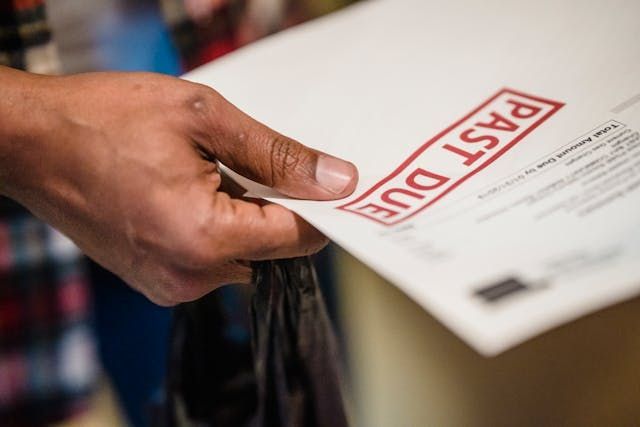
If the notice is defective or served incorrectly, the court may dismiss the case and require the landlord to begin again with a corrected notice.
For nonpayment cases, a landlord generally must serve a written 14‑day rent demand before starting the court case, as required under RPAPL §711(2). The demand must comply with New York requirements.
For this reason, landlords should verify the required notice, deadline, and service method before taking the next step.
Tenant Eviction Defenses in New York
A tenant may raise defenses or counterclaims during an eviction case. Potential issues can include improper notice, incorrect rent amounts, improper service, serious habitability concerns, or claims of retaliation.
New York also protects tenants from certain retaliatory actions, including retaliation for good-faith complaints about health and safety conditions or other protected activity.
Landlords should keep copies of the lease, rent records, notices, service documents, inspection reports, repair records, and relevant communications. Good documentation can help establish the facts of the case.
Attending Court Hearing
If the tenant does not leave after the required notice period, the landlord can start the appropriate proceeding. In Rochester, landlord-tenant matters are handled through the Rochester City Court for properties within the city; other Monroe County properties may be handled by the appropriate local court.
The court may review the landlord's documents, the tenant's defenses, the lease, payment history, notices, and other evidence. If the landlord proves the case, the court can issue a judgment of possession and a warrant of eviction.
Writ of Restitution
New York uses a warrant when evicting tenants to authorize enforcement of a court judgment. A warrant is not permission for the landlord to remove the tenant personally.

After a warrant is issued, an authorized sheriff, marshal, or constable must carry out the court-ordered eviction. The tenant generally receives a Notice of Eviction providing additional time before the physical eviction occurs. New York Courts states that the notice generally gives the tenant 14 days to move.
The Eviction
Only an authorized officer can carry out the physical eviction. Landlords should not change locks, remove belongings, disconnect utilities, or otherwise attempt to remove a tenant without following the legal process.
In a nonpayment case, payment of the full amount due before enforcement can affect the warrant and eviction, subject to the circumstances and applicable law.
Once a property becomes vacant, our team can also help coordinate turnover and rent-ready work. This approach helps Rochester owners manage the transition from one tenancy to the next.
Conclusion
The NY eviction laws and court procedures require landlords to follow specific steps. Notices must be appropriate, service must be completed correctly, and landlords must obtain a court judgment and warrant before an authorized officer can enforce an eviction.
Because the rules can vary based on the property, tenancy, reason for eviction, and Rochester's Good Cause protections, landlords should consider consulting a qualified New York landlord-tenant attorney before taking legal action.
Retain Each helps Rochester-area property owners manage leasing, maintenance, tenant concerns, and other ongoing rental responsibilities with professional property management support.
Disclaimer: Please note that the information provided in this blog is intended for general guidance and should not be considered as a replacement for professional legal advice. It is important to be aware that laws pertaining to property management may change, rendering this information outdated by the time you read it.
Frequently Asked Questions
How Much Does An Eviction Cost A New York Landlord?
The cost of an eviction can vary based on the type of proceeding, court fees, attorney involvement, service requirements, and how long the case takes to resolve.
Additional expenses may arise from unpaid rent, property damage, maintenance, or preparing the rental for a new tenancy. Because circumstances differ, landlords should avoid budgeting around a single fixed amount.
In Rochester, New York Courts lists a $45 filing fee for certain City Court summary proceedings, but other costs may apply depending on the case and property location.
What Records Should Landlords Keep Before Starting An Eviction?
Landlords should maintain a complete record of the tenancy and the issue leading to the proposed eviction.
Depending on the situation, useful records may include the signed lease, rent ledger, notices, proof of service, inspection reports, maintenance requests, repair records, photographs, and relevant communications.
Accurate records can help establish dates, amounts, and actions taken if the matter reaches court.
For Rochester-area owners, keeping records organized before a dispute occurs can make it easier to provide complete information to an attorney or property manager.
Can A New York Landlord Change The Locks During An Eviction?
Generally, a landlord should not attempt to remove an established occupant by changing locks, removing belongings, shutting off essential services, or otherwise bypassing the court process.
New York Courts explains that, in most cases, a landlord must bring the appropriate proceeding and obtain a judgment before a warrant can be enforced. An authorized sheriff, marshal, or constable carries out the court-ordered eviction.
Because exceptions and circumstances can vary, landlords should consult a qualified New York landlord-tenant attorney before taking action.
What Notice Is Required For Nonpayment Of Rent In New York?
For a typical nonpayment proceeding, New York law generally requires a written rent demand giving the tenant at least 14 days to pay the overdue rent or surrender possession before the case can be started.
The notice must meet applicable requirements, and proper service is also important. A defective notice or improper service can affect the case.
Landlords should verify the current requirements for their property and circumstances before serving a rent demand, particularly when local rules or other protections may apply.
Does Good Cause Eviction Apply To Rochester Rental Properties?
Rochester is among the New York municipalities where the Good Cause Eviction Law may apply to covered rental properties.
The law can affect when a landlord may refuse to renew a tenancy or seek possession after a lease expires, although exemptions and specific requirements can apply.
Owners should determine whether their particular property and tenancy are covered rather than assuming the law applies, or does not apply, based solely on its Rochester location. A qualified New York attorney can help an owner evaluate coverage and the requirements for a specific case.